

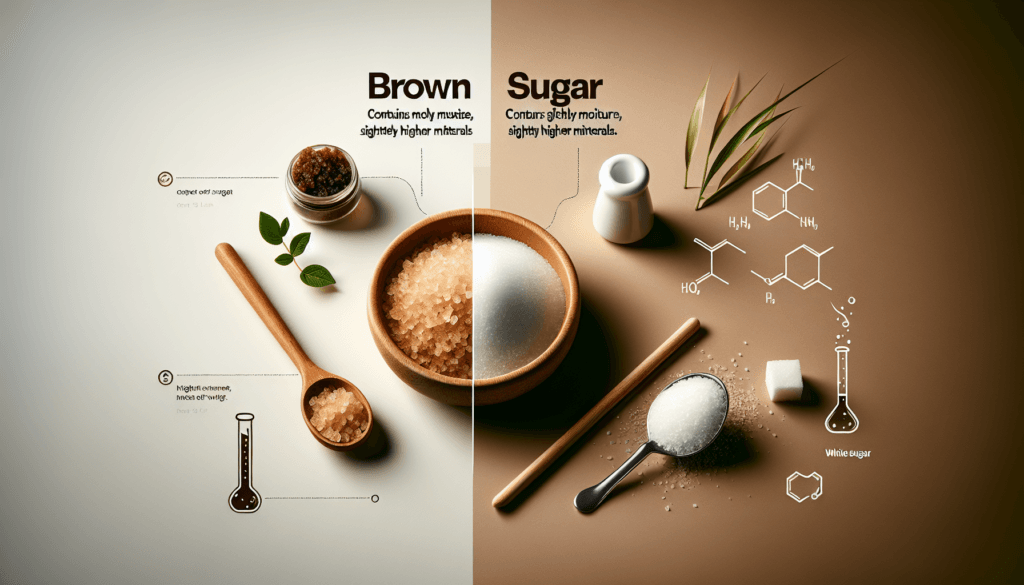
Brown Sugar vs White Sugar: Impact on Blood Sugar Tests
Many people believe that brown sugar is a healthier alternative to white sugar and may have a different effect on blood sugar levels. This belief often influences everyday choices—especially for those monitoring their glucose levels or planning laboratory tests such as fasting blood sugar or HbA1c.
From a diagnostic standpoint, it is important to understand how different types of sugar affect the body and, more importantly, how they influence laboratory test results. While brown and white sugar differ slightly in composition and appearance, their impact on blood glucose tests may not be as different as commonly assumed.
This article separates common myths from facts and explains what truly matters when evaluating sugar intake and blood sugar test results.
Understanding Brown Sugar vs White Sugar: What You Should Know
The comparison of brown sugar vs white sugar often focuses on which option is healthier or better for blood sugar control. While brown sugar is sometimes perceived as more natural due to the presence of molasses, both types are primarily composed of sucrose and provide similar calories.
From a clinical and laboratory perspective, the difference between brown sugar vs white sugar becomes less significant when evaluating their effect on blood glucose levels. What matters more is the total quantity of sugar consumed, overall dietary habits, and individual metabolic health.
Understanding the scientific and medical facts behind brown sugar vs white sugar helps individuals make informed dietary decisions, especially when preparing for blood sugar testing or managing metabolic health.
Myth 1: Brown Sugar Is Significantly Healthier Than White Sugar
Fact: Brown sugar and white sugar are nutritionally very similar.
White sugar is highly refined sucrose. Brown sugar is essentially white sugar with molasses added back in. The molasses gives it a darker color, a softer texture, and a slight mineral content.
However, the amount of minerals such as calcium, potassium, or iron in brown sugar is very small. The difference is not nutritionally meaningful when consumed in regular dietary amounts.
From a laboratory perspective, both forms of sugar contain almost the same carbohydrate content and therefore have comparable effects on blood glucose measurements.
—
Myth 2: Brown Sugar Causes a Smaller Rise in Blood Glucose
Fact: Both brown and white sugar have a similar glycemic impact.
The glycemic index (GI) measures how quickly a food raises blood glucose levels. Brown sugar and white sugar have very close glycemic index values because both are primarily composed of sucrose.
Sucrose breaks down into:
– Glucose
– Fructose
It is the glucose component that directly raises blood sugar levels. Since both sugars contain the same fundamental molecule, they produce nearly identical short-term blood glucose responses.
For blood tests such as:
– Fasting Blood Sugar (FBS)
– Postprandial Blood Sugar (PPBS)
– Oral Glucose Tolerance Test (OGTT)
Switching from white sugar to brown sugar does not create a clinically significant difference in test results.
—
Myth 3: Using Brown Sugar Improves HbA1c Results
Fact: HbA1c reflects average glucose levels over 2–3 months, regardless of sugar type.
The HbA1c test measures how much glucose has attached to hemoglobin in red blood cells over time. It is not influenced by the color or source of sugar but by overall blood glucose exposure.
If the total carbohydrate and sugar intake remains high—whether from white sugar, brown sugar, honey, or other sweeteners—HbA1c levels may remain elevated.
Replacing white sugar with brown sugar without reducing total sugar intake will not significantly improve HbA1c.
—
Myth 4: Brown Sugar Does Not Interfere With Fasting Blood Tests
Fact: Any sugar consumed before a fasting test can alter results.
For accurate fasting glucose testing, individuals are typically advised to avoid caloric intake for 8–12 hours before the sample is collected.
Consuming brown sugar before a fasting test:
– Raises blood glucose levels
– Stimulates insulin release
– May affect lipid profile results
Because brown sugar contains the same caloric and carbohydrate load as white sugar, it breaks a true fast in the same way.
If a fasting test is required, all caloric sweeteners should be avoided unless otherwise directed by a healthcare professional.
—
Myth 5: Brown Sugar Is Safer for People With Diabetes
Fact: Portion control matters more than sugar type.
For individuals being evaluated or monitored for diabetes mellitus, the body’s ability to manage glucose is the key concern—not the color of sugar.
Both white and brown sugar:
– Provide rapid glucose availability
– Raise blood sugar levels
– Contribute to overall carbohydrate load
Effective glucose management depends on:
– Total carbohydrate intake
– Meal composition
– Timing of meals
– Physical activity
– Individual metabolic response
Switching to brown sugar does not eliminate the need for regular glucose monitoring or lifestyle modifications recommended by medical professionals.
—
Myth 6: Natural-Sounding Sweeteners Are Less Likely to Affect Lab Tests
Fact: All caloric sugars influence glucose-based tests.
Many patients assume that “natural” products such as brown sugar or minimally processed sweeteners will not significantly affect blood test outcomes.
From a biochemical standpoint, once ingested, the body processes most sugars into glucose and fructose. Circulating glucose is what laboratory tests measure.
Tests that may be affected include:
– Fasting Plasma Glucose
– Post-meal glucose tests
– Insulin levels
– HbA1c
– Triglycerides
Therefore, labeling a sugar as natural or less refined does not change its measurable metabolic effects.
What Truly Affects Blood Sugar Test Results?
Instead of focusing only on brown sugar vs white sugar, it is more accurate to consider broader factors influencing laboratory values:
1. Total Carbohydrate Intake
High overall carbohydrate intake has a stronger effect than sugar color.
2. Meal Timing
Eating close to test time can elevate glucose readings.
3. Body Composition and Insulin Sensitivity
Insulin resistance plays a major role in chronic glucose elevation.
4. Physical Activity
Regular exercise improves insulin sensitivity and glucose control.
5. Underlying Medical Conditions
Conditions such as prediabetes, diabetes, and hormonal disorders affect blood sugar regulation.
Laboratory results should always be interpreted within the context of clinical history and overall health status rather than relying only on the brown sugar vs white sugar comparison.
Understanding Blood Sugar Tests in Context
Diagnostic laboratories measure blood sugar using standardized, validated techniques. Common tests include:
Fasting Blood Sugar (FBS)
Evaluates baseline glucose after fasting.
Postprandial Blood Sugar (PPBS)
Measures glucose response after a meal.
Oral Glucose Tolerance Test (OGTT)
Assesses how efficiently the body processes a measured glucose dose.
HbA1c
Reflects long-term blood glucose exposure over approximately 2–3 months.
These tests assess metabolic function—not dietary branding. Even in the brown sugar vs white sugar discussion, glucose exposure matters more than sugar type.
Laboratory results require professional interpretation
So, Does It Matter Which Sugar You Choose?
From a diagnostic glucose-testing perspective, the difference between brown sugar vs white sugar is minimal.
Key takeaways:
-
Both are primarily composed of sucrose.
-
Both provide similar calories per gram.
-
Both produce comparable glycemic responses.
-
Both can influence glucose-based blood tests.
-
Neither significantly improves laboratory markers when consumed in excess.
If the concern is blood sugar stability or preparing for a glucose test, reducing overall added sugar intake is more impactful than focusing only on brown sugar vs white sugar.
When Should You Consider Blood Sugar Testing?
Routine or targeted blood glucose testing may be recommended if there are:
- Symptoms such as excessive thirst or frequent urination
- Family history of metabolic conditions
- Unexplained fatigue or weight changes
- Abnormal results from previous screenings
- Routine preventive health checkups
Testing schedules depend on individual risk factors and clinical guidance. Regular monitoring supports early detection and preventive care when needed.
Final Thoughts
The debate around brown sugar vs white sugar often centers on perceived health differences. From a laboratory and metabolic perspective, however, the distinction is minor when it comes to blood sugar testing.
Both types of sugar contain similar carbohydrate content and produce comparable effects on blood glucose and HbA1c levels. In the brown sugar vs white sugar comparison, total sugar intake, meal timing, and overall lifestyle patterns are far more important than the color of the sugar used.
Blood sugar test results should always be interpreted in consultation with a qualified healthcare professional.
Being informed about how everyday dietary choices influence laboratory markers allows individuals to approach the brown sugar vs white sugar debate with clarity and confidence.
Source – Wikipedia
Book your health checkup today and stay healthy.
Browse Hprime Resources to read more related blogs and to get deep understanding about your health.
Other links



Leave a Comment