

Thyroglobulin Test: Uses, Results, and Monitoring
What is a thyroglobulin test?
The thyroglobulin test is a specialized blood test used in diagnostic medicine to help monitor certain thyroid-related conditions. It is most commonly associated with follow-up care after treatment for specific types of thyroid cancer, but its role extends beyond a single diagnosis. Understanding what this test measures and how results are interpreted can help patients feel more informed and engaged in their care.
Thyroid-related blood tests can be complex, and results often depend on medical history, prior treatments, and other laboratory findings. This article explains the thyroglobulin test from a diagnostic perspective, focusing on its purpose, procedure, clinical relevance, and limitations in a clear and patient-friendly way.
What Is This Test or Condition?
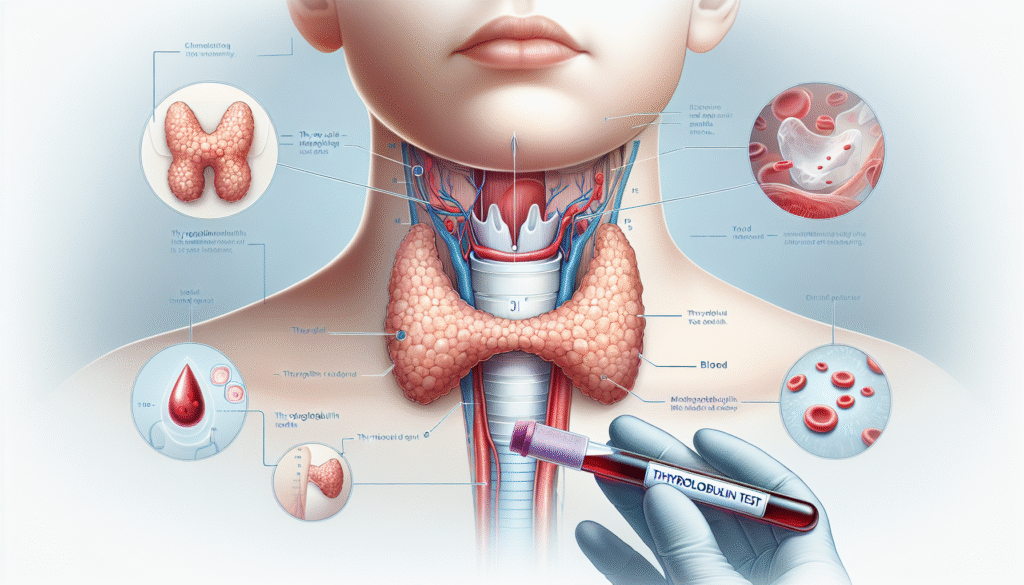
The thyroglobulin test measures the level of thyroglobulin, a protein produced exclusively by thyroid tissue. Thyroglobulin plays an essential role in the production of thyroid hormones, which regulate metabolism, energy levels, and several vital body functions.
In healthy individuals with an intact thyroid gland, thyroglobulin is normally present in the blood at low levels. However, after surgical removal of the thyroid gland or treatment that destroys thyroid tissue, thyroglobulin levels are expected to be very low or undetectable. For this reason, the test is primarily used as a tumor marker rather than a general thyroid function test.
Why This Test Matters in Diagnosis
The thyroglobulin test is most useful in monitoring individuals who have been treated for differentiated thyroid cancers, such as papillary or follicular thyroid carcinoma. Because only thyroid cells produce thyroglobulin, its presence after treatment may suggest remaining thyroid tissue or cancer recurrence.
Key diagnostic roles of the test include:
– Monitoring response to thyroid cancer treatment
– Detecting possible recurrence after surgery or radioactive therapy
– Assessing residual thyroid tissue following treatment
It is important to note that this test is not typically used to diagnose thyroid cancer initially. Imaging studies, biopsies, and other laboratory tests are required for initial diagnosis.
How the Test Is Performed
The thyroglobulin test is performed using a standard blood sample drawn from a vein. The procedure is simple and usually completed within a few minutes.
Before testing, healthcare providers may give specific instructions, which can include:
– Temporary adjustment of thyroid hormone medication
– Timing the test in relation to other treatments
– Avoiding certain supplements that may interfere with results
In some cases, thyroglobulin levels are measured after stimulating the body with higher levels of thyroid-stimulating hormone (TSH), either by temporarily stopping thyroid hormone therapy or using recombinant TSH. This approach can improve the sensitivity of the test.
Understanding the Test Results
Interpreting thyroglobulin results requires clinical expertise and careful correlation with medical history. Results are not meaningful in isolation.
General interpretive principles include:
– Undetectable or very low levels may indicate successful removal or destruction of thyroid tissue
– Rising levels over time may raise concern for recurrent or persistent thyroid tissue
– Stable low levels may reflect benign residual tissue
An important factor affecting test accuracy is the presence of thyroglobulin antibodies. These antibodies can interfere with measurement and lead to falsely low or unreliable results. For this reason, antibody testing is often performed alongside the thyroglobulin test.
Limitations of This Test
While the thyroglobulin test is a valuable monitoring tool, it has important limitations.
These include:
– It cannot distinguish between normal and cancerous thyroid tissue
– Results are unreliable in the presence of thyroglobulin antibodies
– It is not useful for individuals with an intact thyroid gland for cancer screening
– Levels may temporarily fluctuate due to testing conditions or stimulation methods
Because of these limitations, thyroglobulin testing is usually combined with imaging studies and other laboratory assessments to form a complete diagnostic picture.
Common Myths vs Facts
Myth: A high thyroglobulin level always means cancer has returned.
Fact: Elevated levels can be due to benign thyroid tissue or test-related factors and must be interpreted clinically.
Myth: The test can diagnose thyroid cancer early.
Fact: The thyroglobulin test is used for monitoring, not initial diagnosis.
Myth: One abnormal result confirms recurrence.
Fact: Trends over time are more important than a single measurement.
Myth: Everyone with thyroid disease needs this test.
Fact: The test is primarily used in specific post-treatment scenarios.
Who Should Consider This Test
The thyroglobulin test is not routinely ordered for the general population. It is typically recommended for individuals who:
– Have undergone removal of the thyroid gland for certain thyroid cancers
– Have completed radioactive therapy targeting thyroid tissue
– Are undergoing long-term monitoring for cancer recurrence
– Need evaluation of residual thyroid tissue after treatment
The decision to use this test should be guided by a healthcare professional familiar with the individual’s medical history.
How Often Should This Test Be Done
The frequency of thyroglobulin testing varies based on clinical circumstances. Some individuals may need testing at regular intervals during long-term monitoring, while others may be tested only during specific follow-up periods.
Factors influencing testing frequency include:
– Time since treatment
– Previous test results and trends
– Imaging findings
– Overall clinical risk assessment
Testing schedules are individualized and determined by the treating clinician.
Related Tests Doctors Often Recommend
To obtain a comprehensive assessment, thyroglobulin testing is often paired with other diagnostic tools, such as:
– TSH blood test to assess thyroid hormone regulation
– Thyroglobulin antibody test to identify test interference
– Neck imaging studies to evaluate structural changes
– Other thyroid-related blood tests as clinically indicated
These complementary tests help improve diagnostic accuracy and guide follow-up decisions.
Diagnostic Perspective and Preventive Advice
From a diagnostic standpoint, the thyroglobulin test is a powerful tool when used appropriately and interpreted in context. It highlights the importance of continuity in laboratory testing and consistent follow-up using the same testing methods when possible.
Patients can support accurate monitoring by:
– Attending scheduled follow-up visits
– Informing clinicians about medication changes
– Completing recommended companion tests
– Discussing any concerns or symptoms openly
Preventive care in thyroid health relies on structured monitoring rather than isolated test results.
Final Thoughts
The thyroglobulin test plays a specialized but essential role in modern diagnostic care for certain thyroid conditions. When used correctly, it provides valuable insight into treatment response and long-term monitoring, helping clinicians make informed decisions.
Because results can be influenced by many factors, this test should always be interpreted by a qualified healthcare professional within the broader clinical context. This content is intended for educational purposes only and does not replace individualized medical advice. Patients are encouraged to discuss test results and follow-up plans with their healthcare provider to ensure accurate understanding and appropriate care.
Book your Health Checkup today
Browse Hprime Resources
Other links


Leave a Comment