

Thyroglobulin Test: Uses, Results, and Monitoring
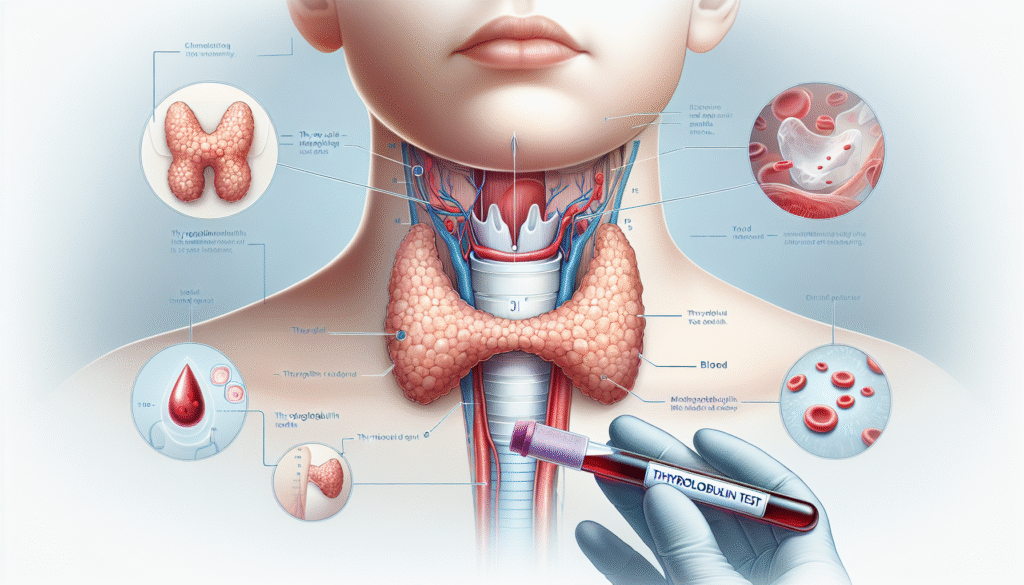
The thyroglobulin test is a blood test used to measure the level of thyroglobulin protein in the bloodstream. Thyroglobulin is produced by thyroid cells and helps the body produce thyroid hormones.
Doctors commonly recommend this test for people who have been treated for thyroid cancer. After thyroid surgery or radioactive iodine therapy, thyroglobulin levels are expected to become very low. If the level increases during follow-up testing, it may indicate remaining thyroid tissue or recurrence of thyroid cancer.
This guide covers the most common questions patients search online about This test, with clear and direct explanations.
What is a Thyroglobulin Test?
A thyroglobulin test is a blood test that measures the amount of thyroglobulin protein produced by thyroid cells.
This is a protein used by the thyroid gland to produce thyroid hormones. When the thyroid gland is removed during thyroid cancer treatment, thyroglobulin levels in the blood should become extremely low or undetectable.
Doctors mainly use this test to monitor thyroid cancer patients after treatment.
Key purposes of the test include:
- Monitoring thyroid cancer after treatment
- Detecting recurrence of thyroid cancer
- Checking whether thyroid tissue remains after thyroid surgery
- Evaluating the effectiveness of thyroid cancer treatment
Why do doctors recommend a Thyroglobulin Test?
Doctors recommend This test mainly to monitor patients who have undergone thyroid cancer treatment.
The test helps doctors determine whether thyroid cells or cancer cells are still present in the body.
Common reasons for recommending the test include:
- Monitoring recovery after thyroid cancer treatment
- Detecting possible recurrence of thyroid cancer
- Evaluating success of radioactive iodine therapy
- Checking whether thyroid tissue remains after thyroidectomy
- Long-term follow-up of thyroid cancer patients
Because only thyroid cells produce thyroglobulin, detectable levels after thyroid removal may indicate remaining thyroid tissue.
Who should get a Tg Blood Test?

This test is usually recommended for people who have already been treated for thyroid cancer.
Doctors may suggest this test for:
- Patients who had thyroid cancer surgery
- Individuals who underwent thyroidectomy (thyroid removal surgery)
- Patients treated with radioactive iodine therapy
- People undergoing long-term thyroid cancer monitoring
- Patients with symptoms suggesting recurrence
This test is not typically used as a first test to diagnose thyroid cancer.
How is the Thyroglobulin Test performed?
This test is performed using a simple blood sample.
The procedure generally includes:
- A healthcare professional cleaning the skin on the arm.
- A small needle inserted into a vein to collect blood.
- The blood sample sent to a diagnostic laboratory.
- Laboratory equipment measuring thyroglobulin levels.
The entire process usually takes only a few minutes.
Do you need preparation before a Tg Blood Test?
Most people do not require special preparation before This test.
However, doctors may recommend a few precautions:
- Avoid high-dose biotin supplements before the test
- Inform the doctor about medications or supplements being taken
- Follow instructions regarding thyroid hormone medications
Fasting is generally not required for this blood test.
What is the normal range of Thyroglobulin?
Thyroglobulin levels vary depending on whether the thyroid gland is present.
General ranges include:
- People with a healthy thyroid gland may have levels between 3 to 40 ng/mL
- Individuals who have undergone thyroid removal are expected to have very low or undetectable thyroglobulin levels.
Doctors interpret results based on treatment history and other thyroid tests.
What does a high Thyroglobulin level indicate?
High thyroglobulin levels can suggest that thyroid cells are still present in the body.
Possible reasons include:
- Remaining thyroid tissue after surgery
- Recurrence of thyroid cancer
- Spread of thyroid cancer to other areas
- Incomplete removal of thyroid tissue
- Thyroid gland inflammation
Doctors may recommend additional diagnostic tests to determine the cause.
What does a low Thyroglobulin level indicate?
Low or undetectable thyroglobulin levels often indicate successful thyroid cancer treatment.
Low levels generally suggest:
-
Minimal or no detectable thyroid tissue
-
Effective removal or destruction of thyroid cells
-
A lower risk of thyroid cancer recurrence
Regular monitoring is still necessary to ensure long-term thyroid health.
What symptoms may require a Thyroglobulin Test?

Doctors may recommend This test if symptoms suggest thyroid problems or possible recurrence of thyroid cancer.
Common symptoms include:
- Lump or swelling in the neck
- Difficulty swallowing
- Persistent hoarseness
- Neck pain
- Swollen lymph nodes in the neck
- Unexplained fatigue
These symptoms may require further investigation through blood tests and imaging.
What factors can affect Thyroglobulin Test results?
Several factors may influence the accuracy of this test results.
These include:
- Presence of thyroglobulin antibodies
- High-dose biotin supplements
- Certain medications
- Recent thyroid surgery or biopsy
- Pregnancy
Doctors may recommend additional thyroid tests to interpret the results correctly.
How often should the Thyroglobulin Test be done?
The frequency of testing depends on the patient’s treatment history and risk level.
Doctors commonly recommend testing:
- Every 6 to 12 months after thyroid cancer treatment
- More frequent testing for high-risk patients
- Long-term monitoring after thyroid surgery
Regular testing helps detect recurrence at an early stage.
What are the benefits of the Thyroglobulin Test?
This test provides important information about thyroid health, especially after thyroid cancer treatment.
Key benefits include:
- Helps detect recurrence of thyroid cancer early
- Monitors effectiveness of thyroid cancer treatment
- Identifies remaining thyroid tissue after surgery
- Supports long-term follow-up care
- Helps doctors adjust treatment plans when needed
This test is considered an important tumor marker for certain types of thyroid cancer.
What is the cost of a Thyroglobulin Test in India?
The cost of This test in India usually ranges between ₹700 and ₹900, depending on the diagnostic laboratory and city.
Price variation may depend on:
- Location of the diagnostic center
- Technology used by the laboratory
- Additional thyroid tests included in the package
Frequently Asked Questions About This Test
Is fasting required before aTg Blood Test?
Fasting is generally not required for This test.
Is the Tg Blood Test painful?
The test involves only a small needle prick during blood sample collection.
Can the Thyroglobulin Test diagnose thyroid cancer?
This Test is mainly used to monitor thyroid cancer after treatment rather than diagnose it initially.
How long does it take to get Tg Blood Test results?
Most diagnostic laboratories provide results within 24 to 48 hours.
Can medications affect Tg Blood Test levels?
Certain medications and supplements may affect test results, so informing the doctor about ongoing medications is important.
Final Thoughts
This Test is a valuable diagnostic tool used to monitor thyroid cancer treatment and detect possible recurrence. By measuring thyroglobulin levels in the blood, doctors can determine whether thyroid tissue remains in the body and assess how effective the treatment has been.
Regular monitoring through this test helps doctors detect abnormalities early and provide timely medical care. Following recommended testing schedules and medical advice plays an important role in maintaining long-term thyroid health and recovery.
Source – Wikipedia Thyroglobulin
Book your health checkup today and stay healthy.
Browse Hprime Resources to read more related blogs and to get deep understanding about your health.
Other links


Leave a Comment