

Delhi Air Pollution: Health Risks and Effective Interventions
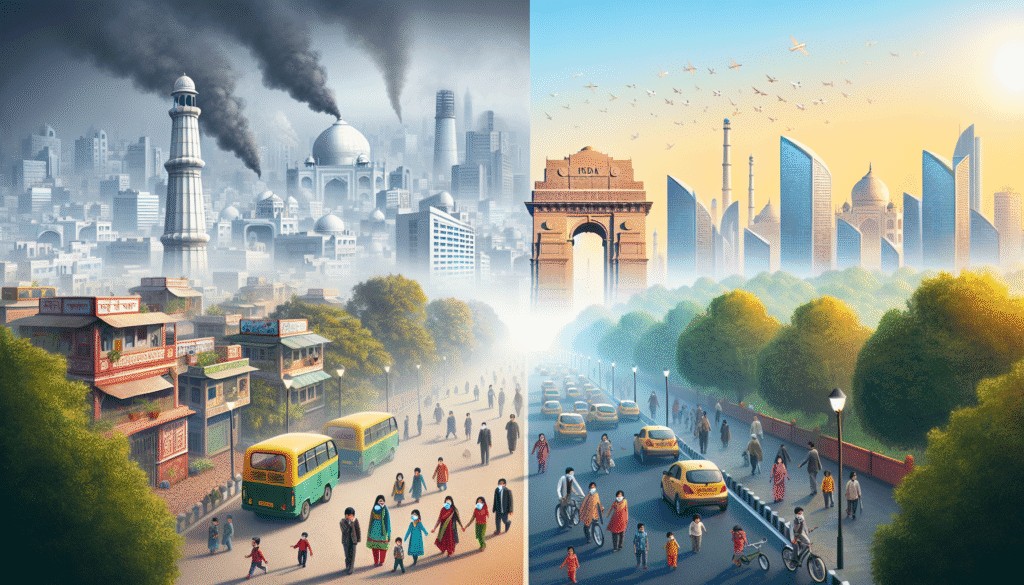
Walking outside in Delhi during winter can feel overwhelming. Thick haze, burning eyes, and coughing are common signs that delhi air pollution is at dangerous levels. It’s not just seasonal — it’s a year-round public health concern affecting millions. Understanding the causes, health impacts, and ways to protect yourself is essential.
Delhi Air Pollution: Why the Air Quality Gets Worse
The poor air quality in Delhi results from multiple sources interacting with seasonal weather patterns. During winter, cooler temperatures and low wind speed trap pollutants close to the ground, creating dense smog. Major contributors include:
-
Vehicle emissions — Cars, buses, and trucks release gases and fine particles.
-
Industrial activity — Smoke and chemicals from factories worsen the air.
-
Construction dust — Dust from ongoing building projects stays in the air for hours.
-
Stubble burning — Smoke from crop residue in nearby states drifts into Delhi.
-
Weather conditions — Temperature inversion traps pollutants, leading to persistent haze.
These factors together make delhi air pollution especially harmful during colder months.
Health Risks of Breathing Polluted Air
The main threat from delhi air pollution comes from tiny PM2.5 particles. These microscopic pollutants enter the lungs and bloodstream, causing serious health issues:
-
Respiratory problems — Asthma, bronchitis, and chronic coughing
-
Heart problems — Higher blood pressure and risk of heart attacks
-
Weakened immunity — Increased vulnerability to infections
-
Eye, nose, and throat irritation — Redness, burning, and discomfort
-
Long-term risks — Prolonged exposure can reduce life expectancy and increase serious illness risk
Children, the elderly, and people with pre-existing conditions are especially vulnerable.
How to Protect Yourself and Your Family
Even though delhi air pollution is a widespread issue, practical steps can reduce your exposure:
-
Monitor air quality daily — Use apps or websites to check AQI before going outside.
-
Wear protective masks — Certified N95 or N99 masks filter harmful particles effectively.
-
Keep indoor air clean — Use air purifiers, avoid indoor smoke, and keep windows closed when smog is severe.
-
Stay healthy — Drink plenty of water and eat antioxidant-rich foods to help your body fight pollution effects.
Role of Government and Community
Long-term improvement in air pollution requires policy support and community action:
-
Promote electric vehicles and cleaner public transport
-
Reduce stubble burning through alternatives for farmers
-
Increase urban greenery and air-purifying infrastructure
-
Enforce strict emission standards for industries and vehicles
Individual responsibility combined with systemic changes is crucial for sustainable improvement.
Practical Actions You Can Take
Small daily actions make a difference:
-
Use public transport, cycle, or carpool
-
Plant indoor and outdoor greenery
-
Support sustainable energy and environmental policies
-
Raise awareness about pollution and health risks
Every contribution helps reduce air pollution gradually.
Conclusion
Delhi air pollution is a serious, persistent challenge, but awareness and preventive action can protect your health. By monitoring air quality, reducing exposure, and supporting clean practices, you can safeguard yourself and contribute to a healthier city. Start today — small, consistent actions lead to cleaner air and better health for everyone.
Book your Health Checkup today
Browse Hprime Resources
Other links


Leave a Comment