

Understanding Arthritis: Causes, Symptoms, Types and Treatments
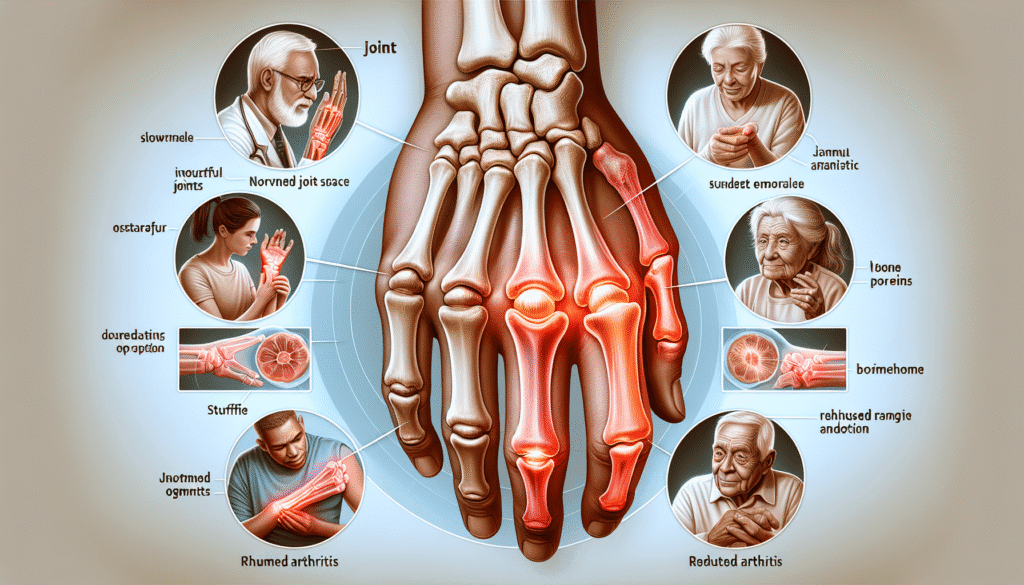
Many of us know someone who deals with joint pain or stiffness — maybe a grandparent, a friend, or even yourself. If so, arthritis might be the culprit. While the word “arthritis” may sound intimidating, it’s actually a common condition that affects millions of people every day. Understanding arthritis symptoms early—such as joint swelling, pain, or reduced flexibility—can help you take action sooner. But what exactly is it? And more importantly, what can you do about it?
Let’s break it all down in a simple and friendly way, so you can understand what arthritis really is, what causes it, and what treatments are available today.
What Is Arthritis?
In the most basic terms, arthritis is inflammation in your joints. Joints are where two bones meet — like the knee, hip, fingers, or elbow. When these areas are affected, arthritis symptoms such as soreness, stiffness, swelling, or even warmth around the joint can appear, making everyday movement more difficult.
While anyone can experience arthritis, it becomes more common as we grow older. However, age isn’t the only factor — arthritis can occur in young adults, teens, and even children. Understanding these early arthritis symptoms helps you take action sooner and manage your joint health better.
What Happens Inside the Joint?
Think of your joints like oiled hinges on a door. When the hinge is healthy, the door opens smoothly. But if the hinge gets rusty, it squeaks and sticks — that’s kind of what happens in arthritis. The smooth tissue (called cartilage) that helps your bones glide across each other starts to break down. As the cartilage wears away, bones can rub together, causing pain and stiffness.
What Causes Arthritis?
There isn’t just one cause of arthritis. Instead, it can be triggered by a mix of things, such as:
- Wear and tear: This is common as people age and is the main reason behind osteoarthritis.
- Immune system issues: Sometimes the immune system goes haywire and starts attacking healthy tissues, leading to autoimmune forms like rheumatoid arthritis.
- Infections: Some forms of arthritis, like septic arthritis, are caused by bacteria or viruses getting into a joint.
- Genetics: Yep, arthritis can run in the family.
- Injuries: Previous joint injuries can lead to arthritis later on.
Common Types of Arthritis
Did you know that arthritis isn’t just one condition? In fact, there are over 100 different forms. Let’s look at the most common ones.
Osteoarthritis (OA)
This is the most common kind of arthritis. It happens when the cartilage — the protective layer between your joints — wears down over time. OA usually affects knees, hips, hands, and the spine.
Rheumatoid Arthritis (RA)
RA is an autoimmune condition. That means the body’s immune system mistakenly attacks the lining of your joints, causing painful swelling. Over time, it can lead to joint damage.
Psoriatic Arthritis
People with psoriasis — a skin condition — sometimes develop psoriatic arthritis. It can affect both skin and joints, leading to stiffness and swelling.
Gout
Have you ever heard that eating too much red meat or drinking certain alcohol might trigger gout? That’s because gout is caused by a buildup of uric acid crystals in the joint. It often hits suddenly and usually in the big toe — and it can be extremely painful.
Juvenile Arthritis
Yes, children can get arthritis too. Juvenile arthritis affects kids under 16 and can cause swelling, stiffness, and discomfort that may come and go.
What Are the Arthritis Symptoms?
Not all symptoms are the same for everyone, but here are the most common arthritis symptoms that you might be dealing with arthritis:
- Joint pain
- Stiffness, especially in the morning
- Swelling around the joint
- Redness or warmth in the area
- Reduced range of motion (difficulty moving the joint like you used to)
Sometimes the symptoms may appear slowly — and other times they might hit you all at once. If you’re experiencing these signs regularly, it’s best to talk to a healthcare provider.
How Is Arthritis Diagnosed?
Your doctor will typically start by asking questions about your symptoms and doing a physical exam. They might also use:
- X-rays or MRIs to check the bones and joints
- Blood tests to look for certain markers that can point to specific types of arthritis
- Joint fluid tests to check for infection or crystal buildup
Getting an accurate diagnosis is key because treatment depends on the type of arthritis you have.
Treatment Options for Arthritis
While there’s no “magic cure” for arthritis, there are plenty of ways to manage symptoms and live well. Let’s explore the most common treatment approaches that can relieve pain and boost joint function.
1. Medications
Depending on your condition, a doctor might recommend:
- Anti-inflammatory drugs (like ibuprofen or naproxen) to reduce swelling and pain
- DMARDs (disease-modifying antirheumatic drugs) for autoimmune types like RA
- Corticosteroids to quickly calm inflammation
- Pain relievers like acetaminophen
For severe cases, biologic drugs that target specific parts of the immune system are also available.
2. Physical Therapy
Staying active is one of the best things you can do. A physical therapist can teach you exercises that improve strength and mobility — without making the problem worse.
3. Lifestyle Changes
Making small changes can make a big difference. Try:
- Maintaining a healthy weight to take pressure off your joints
- Eating an anti-inflammatory diet (think whole grains, fruits, veggies, and healthy fats)
- Staying active with low-impact activity like swimming or walking
- Using hot or cold therapy to soothe pain and stiffness
4. Surgical Options
If arthritis becomes severe and other treatments aren’t helping, your doctor might recommend surgery — such as joint replacement. For example, hip or knee replacements are common for people with advanced osteoarthritis.
Can Arthritis Be Prevented?
There’s no sure way to prevent arthritis completely, but you can lower your risk — or slow it down — by:
- Protecting your joints during physical activities
- Exercising regularly
- Following a joint-friendly diet
- Avoiding smoking, which can worsen some types of arthritis
If you have a family history of arthritis, staying proactive about your joint health is even more important.
Final Thoughts
Arthritis may be a lifelong condition, but with the right care, many people manage it successfully and lead full, active lives. Whether you’re newly diagnosed or just trying to learn more, understanding arthritis symptoms is the first step toward taking control of your health.
So ask yourself — are stiff joints or nagging pain holding you back? It might be time to check in with your doctor and take the first step toward feeling better.
After all, your joints are what keep your body moving — it’s only fair that you take care of them too.
Book your Health Checkup today
Browse Hprime Resources
Other links



Leave a Comment